%2Ffit-in%2F250x250%2Fguide_websites%2F3003%2Fimages%2Foceanobsession.png&w=1920&q=100)
Cabezon Crab Fishing in Reedsport Oregon
Cabezon Fishing in Reedsport - What to Expect
%2F%2Fusers%2F87833573-c21d-4602-993e-fc2566668fed%2Fimages%2Freedsport-cabezon-fishing-catch-2417.jpg&w=1920&q=75)
Fishing Charter by Captain David Morrow in July
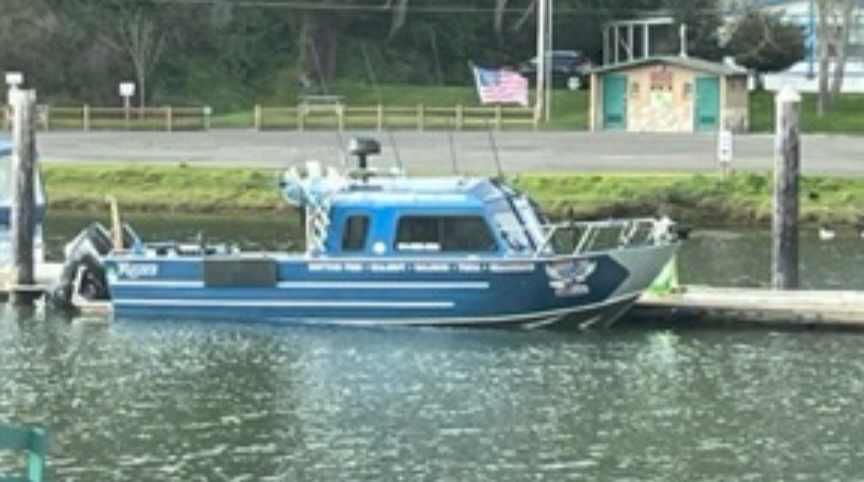
Meet your Captain David Morrow
- Oregon Fishing Adventures: Reel in the Thrills!


Summary
Head out on a fishing charter in Reedsport on Saturday, July with Captain David Morrow to target cabezon and other local species. This Fishing Charter delivers the kind of hands-on experience that makes Oregon's coastal waters special, with expert guidance and plenty of action.
Fishing with Captain David Morrow - Rates & Booking
Captain David Morrow of Ocean Obsession Guide Service is ready to take you out on Saturday, July for an exciting fishing charter experience. Targeting cabezon and other local catches, these charters are built around what the Oregon coast does best - delivering consistent action and memorable moments on the water.
To book your fishing charter or learn about current rates and group options, reach out directly to Ocean Obsession Guide Service. Captain David can walk you through what's biting, what to bring, and how to make the most of your time on the water. Whether you're a seasoned angler or new to fishing, there's a charter setup that fits your style.
Highlights of Cabezon Fishing
Cabezon are one of the Pacific Northwest's most rewarding bottom fish. They're aggressive biters, put up a solid fight, and taste great at the dinner table. What makes fishing for cabezon special is the combination of steady action and the challenge - these fish demand respect and solid technique.
The waters around Reedsport offer excellent structure and depth variations that cabezon love. You'll be working rocky bottoms and reefs where these fish hang out, and the payoff comes when that rod bends hard. Captain David knows exactly where to position the boat to put you in the strike zone.
Local Species Insights: Cabezon
Cabezon are bottom-dwelling predators that thrive in the cold, rocky waters of the Oregon coast. These fish are built for power - they have broad heads, strong jaws, and can reach impressive sizes. They're ambush hunters that wait in rocky crevices and on the seafloor, striking at prey with quick bursts of speed.
What makes cabezon so fun to catch is their aggressive nature. They don't hesitate to bite, and once hooked, they'll use their stocky bodies and strength to make you work for it. The Pacific Northwest's rocky reefs and rocky outcrops create ideal cabezon habitat, and Reedsport's proximity to productive fishing grounds means you'll spend less time traveling and more time fishing.
Cabezon fishing typically happens in deeper water where structure provides cover. The rocky bottom creates the exact environment these fish need - plenty of spots to hide, plenty of baitfish and crustaceans to eat. Captain David's knowledge of these underwater formations is what separates a good day from a great one. He knows the productive zones, the seasonal patterns, and how to adapt to current conditions.
These fish are also a year-round target, though spring and summer typically bring the best combination of weather and activity. The cooler water temperatures keep them active and aggressive, and the calmer summer seas make it more enjoyable to be out there working the fishing grounds.
Fishing in Oregon: Cabezon
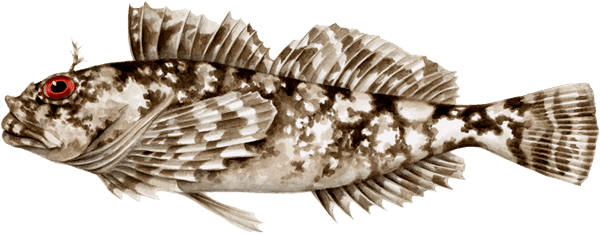
Cabezon Overview
The Cabezon (Scorpaenichthys marmoratus), belonging to the family Cottidae and order Scorpaeniformes, is a fascinating bottom-dwelling fish that has earned quite the reputation along the Pacific coast. Known locally as sculpin or affectionately as the 'mother-in-law fish' due to its constant croaking and loud demeanor, this large, smooth, and scaleless fish stands as the only species within its genus. What makes the Cabezon truly distinctive are its broad bony supports extending from the eye across the cheek, a stout spine just before the eyes, and that unmistakable wide mouth full of small teeth. The combination of brown, green, and red coloring with dark mottling provides perfect camouflage against rocky seafloors, making spotting one in kelp forests near California or Alaska an exciting moment for any angler. Perhaps most intriguingly, more than 90% of green Cabezons are female, while over 90% of red ones are male—nature's own gender-marking system.
Cabezon Habitat and Distribution
Cabezons thrive across a remarkable range of underwater environments, from depths of just a few feet down to 656 feet below the surface. These versatile fish favor kelp beds, rocky ledges, muddy and sandy bottoms, and tide pools throughout their native range. Unlike their cousins the lingcod and rockfish, Cabezons prefer to inhabit the upper portions of rocky ledges, positioning themselves strategically for ambush hunting. Native to the Pacific coast of North America from Alaska down through British Columbia to Baja California, they've adapted beautifully to the dynamic conditions of cold-water coastal regions. Juvenile Cabezons start life hiding beneath floating kelp, gradually transitioning to tide pools as they mature, and eventually settling into the shadowy depths of kelp forests where they spend their adult years hunting.
Cabezon Size and Weight
These impressive fish can reach substantial sizes, with typical specimens ranging from 10 to 39 inches in length and weighing between 25 to 31 pounds. The largest Cabezons on record have exceeded 3 feet and 3 inches, making them a respectable catch for any angler. Interestingly, female Cabezons tend to grow larger than males of the same age, contributing to the overall size variation you'll encounter. The fish's relatively oversized head compared to its body is its most distinctive identifying feature—in fact, the name 'Cabezon' derives from Spanish, meaning 'large head' or 'stubborn,' a fitting description for a fish with such prominent cranial features.
Cabezon Diet and Behavior
Cabezons are carnivorous ambush predators with sophisticated hunting strategies honed over millennia. Their diet includes fish, fish eggs, crustaceans, mollusks, abalone, prawns, squid, crabs, and octopus—essentially anything small enough to fit into that cavernous mouth. These fish demonstrate remarkable patience, remaining almost motionless for extended periods while waiting for unsuspecting prey to venture within striking distance. Once prey appears, they rapidly engulf it using their large mouths in a burst of predatory efficiency. However, Cabezons aren't apex predators; larger fish regularly prey upon them, keeping populations naturally balanced. A unique physiological advantage sets them apart: unlike most bottom-dwelling fishes, Cabezons lack swim bladders, meaning they never suffer from the painful condition of barotrauma when changing depths rapidly.
Cabezon Spawning and Seasonal Activity
Cabezons demonstrate fascinating reproductive behavior tied to shallow waters. During spawning season, mature males guard their eggs vigilantly until they hatch—a commitment that unfortunately makes them vulnerable to fishing pressure during these critical months. This parental dedication is relatively rare among fish species and demonstrates the strong evolutionary investment Cabezons make in their offspring. Fishing availability runs year-round in most Pacific fisheries, though some regions close during March and April specifically to protect spawning populations and ensure sustainable recruitment. Understanding these seasonal closures is essential for anglers planning trips, as they reflect conservation efforts to maintain healthy Cabezon populations for future generations.
Cabezon Techniques for Observation or Capture
Hook and Line Method: Traditional rod and reel setups work exceptionally well for Cabezons. Cast near rocky outcrops and kelp forest edges where these fish ambush prey. Use rubber-tailed jigs tipped with tempting bait—small crabs, shrimp, or mussels prove irresistible. The key is fishing within one to two feet of the bottom, as Cabezons hold tight to structure and actively attack offerings in their territory. This method requires patience but rewards persistence with solid hookups.
Jig and Bait Technique: Rubber-tailed jigs remain among the most effective lures for targeting these fish. The combination of visual stimulation from the jig's movement and scent from fresh bait creates an irresistible combination. Drop your jig to the seafloor and work it with gentle jerks, maintaining bottom contact. Cabezons often hit hard and fight tenaciously, making them exciting opponents on lighter tackle.
Pole Spear and Traps: For the more adventurous or traditional angler, pole spears offer an effective method when freediving or snorkeling in shallow kelp forests. Pots and traps, particularly around California's famous kelp beds, can yield excellent results when baited with appropriate offerings and set along known Cabezon territory.
Pro Tip: Around the San Francisco Bay and Northern California coastline, late fall through early spring offers peak Cabezon fishing when water temperatures drop and fish move into shallower feeding zones. Always verify current regulations before heading out, as minimum size requirements (currently 15 inches as of 2006) exist to protect juvenile populations from overfishing.
Cabezon Culinary and Utilization Notes
Cabezons offer good eating opportunities, with firm, white flesh that flakes beautifully when cooked. However, potential harvesters must exercise critical caution: the roe (eggs) and internal organs contain a toxic phospholipid called dinogunellin that causes severe gastrointestinal toxicity in humans. Never consume Cabezon roe or internal organs. The flesh itself, once cooked, turns from the distinctive blue color of raw Cabezon to appetizing white, making for an excellent table fish when properly prepared. Careful cleaning and removal of all reproductive organs before cooking ensures a safe, delicious meal. The firm, mild-flavored flesh works well in chowders, pan-frying, and baking applications, making Cabezons a worthwhile target for both sport and sustenance.
Cabezon Frequently Asked Questions
Q: What is the best bait for catching Cabezon?
A: Small crabs, shrimp, and fresh mussels top the list of effective baits. Pair these with rubber-tailed jigs for maximum effectiveness. The combination of scent and visual appeal triggers aggressive feeding responses in these ambush predators.
Q: Where can I find Cabezon near popular fishing destinations?
A: Cabezon thrive throughout kelp forests and rocky habitats along the entire Pacific coast from Alaska to Baja California. In Northern California and the Bay Area, kelp beds, rocky points, and offshore pinnacles consistently hold populations. Always check local regulations and access requirements before fishing.
Q: Is Cabezon good to eat?
A: Yes, the flesh is excellent eating with a mild flavor and firm texture. However, absolutely never eat the roe or internal organs, as they contain dangerous toxins. Properly cleaned Cabezon fillets work beautifully in numerous cooking applications and represent a sustainable protein source.
Q: When is the best time to catch Cabezon?
A: Cabezon fishing is available year-round except during March and April closures in many regions designed to protect spawning populations. Late fall through early spring typically offers peak fishing as fish move into shallower feeding zones during cooler months.
Q: Why are Cabezons called 'mother-in-law fish'?
A: This colorful nickname refers to their constant croaking and loud vocalizations, along with their aggressive, sometimes stubborn behavior. The name captures the personality of this distinctive sculpin perfectly—loud, memorable, and impossible to ignore once you encounter one.
Q: Do Cabezons suffer from barotrauma like other bottom fish?
A: No, Cabezons lack swim bladders entirely, giving them a unique advantage over other deep-dwelling fish species. This physiological adaptation means they can move rapidly between depths without experiencing the painful gas expansion that affects fish with swim bladders, making them particularly suited to their rocky, variable-depth habitat.